Economic development in rural communities is often framed narrowly: job creation, infrastructure investment or site readiness. While these factors are important, they overlook an important driver of long-term competitiveness: community character.
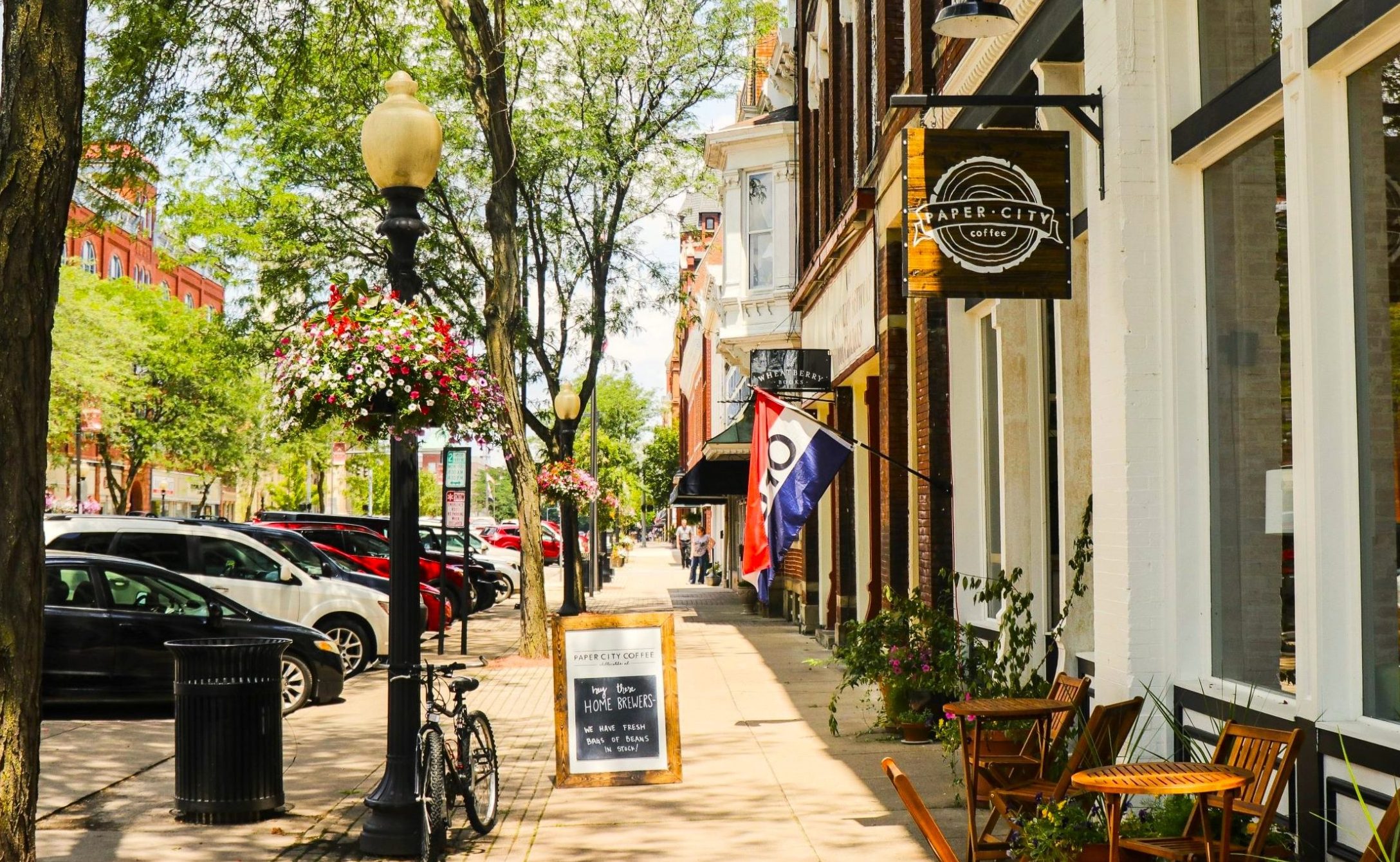
Our work with rural and urban edge communities shows that quality of place plays a significant role in where people choose to live and businesses choose to invest. Natural landscapes, historic downtowns, and a strong sense of identity are not just amenities. They are economic assets. In rural communities, these assets are often deeply rooted in farmland, village centers, and community gathering places.
A recent analysis of Midwestern communities by the Brookings Institution found that quality of life was a stronger predictor of population growth, employment growth, and lower poverty rates than traditional business climate measures alone. Communities with strong downtowns, recreation, natural amenities, local businesses, quality schools, and distinctive identities consistently performed better than places focused primarily on incentives and low-cost business-attraction strategies.
Successful rural economic development efforts increasingly focus on strengthening existing local assets rather than replicating planning strategies from neighboring urban and suburban communities. Investments in walkable downtowns, public spaces, preservation, recreation, housing, and community identity influence whether communities can attract and retain residents, entrepreneurs, workforce talent, and long-term investment.
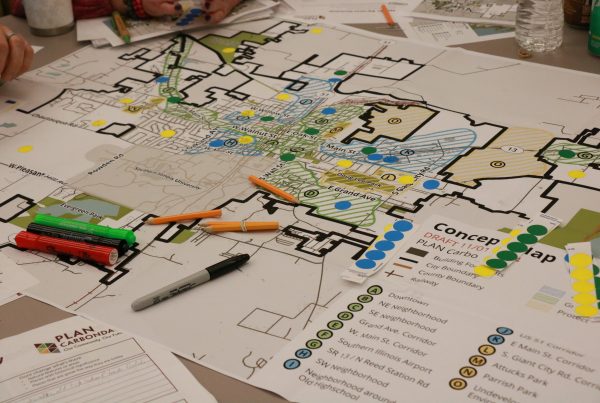
Character-based planning plays an important role in helping communities identify, protect, and strengthen these assets, while treating land use, economic development, housing and placemaking as interconnected priorities.
Many rural communities possess the qualities that people increasingly desire: authentic historic character, outdoor recreation, strong social connections, and distinct local culture. The challenge is not creating something entirely new but understanding what makes a place valuable and planning intentionally around it.
Sources: Brookings Institution, “Improving quality of life—not just business—is the best path to Midwestern rejuvenation” and “Advancing inclusive development in rural towns.”