The Hidden Cost of Incremental Decision-Making
Rural communities are often described through a single lens. Some are labeled as declining, marked by population loss, aging infrastructure or vacant storefronts. Others are framed as communities of opportunity, attracting new investment, development interest, or regional attention.
The blind spot is assuming these are separate conditions.
In reality, many rural communities are experiencing both at the same time. Across Ohio and the Midwest, demographic shifts are reshaping communities. In Ohio, 55 of our 88 counties lost residents from 2010 to 2020, according to the Ohio Legislative Services Commission. These changes affect school enrollment, public service demand, infrastructure maintenance and financial resources.
At the same time, however, some rural counties are experiencing a different kind of shift. Regional employment growth, housing demand extending from nearby metro areas, national or regional investments, and shifting preferences around quality of life are introducing new development interest unlike anything they’ve seen in decades.
Looking at Ohio as an example of broader trends, our experience has shown these forces often overlap. Communities managing population decline may simultaneously face pressure to accommodate housing, extend utilities, or reconsider land-use policies due to nearby growth. Others with relatively stable populations may encounter sudden transformation tied to a single mega-project or corridor.
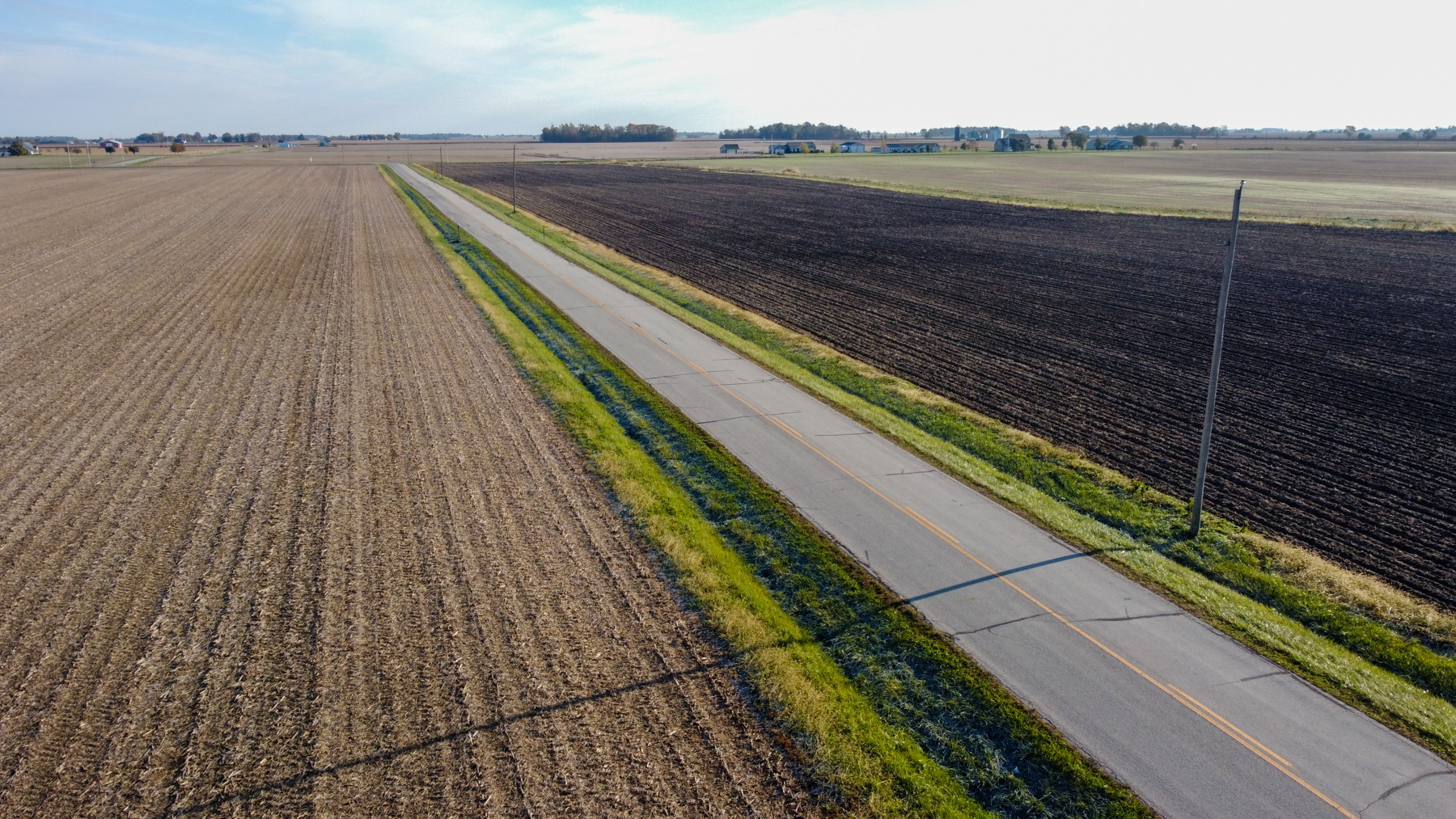
This is where incremental decision-making becomes risky. Without a shared framework, communities respond project by project. Over time, well-intended decisions can unintentionally increase long-term service costs, fragment agricultural land, or weaken village and downtown centers.
Local leaders are often left navigating complex questions in real time:
- Where should new housing be located?
- Which roads, water, and sewer systems can be expanded and sustained?
- How should agricultural land be treated at community edges?
- How can village and downtown centers remain viable?
- Is rural density a solution or a liability?
Character-based planning provides a framework for navigating these conditions together. It helps communities align land use, infrastructure investment, and economic priorities with what already defines their community. By understanding and reinforcing local character, communities can manage change intentionally, protect what makes them distinct, and move forward with a clear sense of purpose and place.